Clinical laboratories increasingly rely on molecular diagnostic testing to detect pathogens and genetic markers with high precision. Whether identifying infectious diseases or evaluating genetic material, molecular diagnostics produces complex data that must be managed efficiently. A Laboratory Information System (LIS) serves as the backbone for lab workflows by organizing sample data, tracking results, and transmitting reports to electronic health records. Integrating molecular diagnostic systems with LIS workflows is essential for modern clinical environments focused on data flow, accuracy, and timely reporting.
Why LIS Integration Matters for Molecular Testing
Integration between molecular diagnostic testing instruments and an LIS ensures that data moves seamlessly from sample acquisition to final reporting. A connected system reduces manual transcription errors, accelerates turnaround times, and consolidates patient data in one place for clinicians to interpret. By linking instrumentation directly to the LIS, laboratories can automate result uploads, update patient records in real-time, and maintain audit trails required by clinical regulations.
Enhancing Workflow with EDAN CL30 and LIS Connectivity
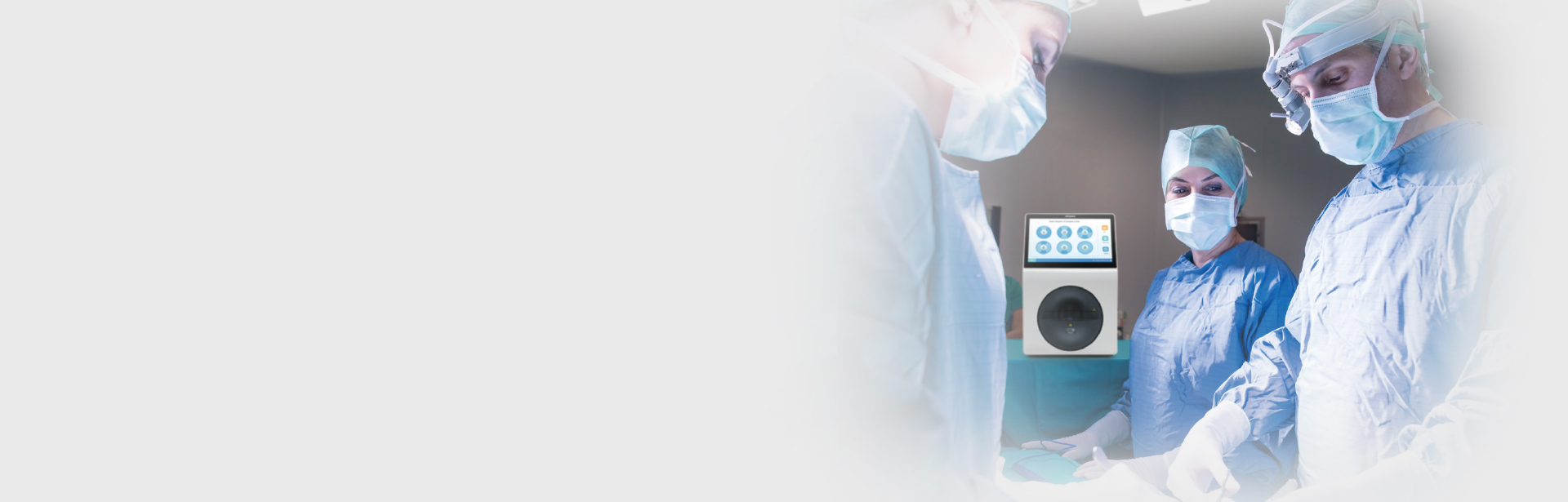
The EDAN CL30 is a molecular diagnostic system designed to fit into a laboratory’s digital ecosystem. With integrated data transmission that sends results directly to LIS and hospital information systems, CL30 reduces administrative steps and enhances overall lab efficiency. This model employs extraction-free testing and rapid analysis, producing results quickly while maintaining consistent data flow thanks to its built-in connectivity features.
By ensuring that test data from molecular diagnostics is synchronized with the LIS, laboratories can reduce the risk of report delays and improve traceability. Integration with LIS also supports compliance with healthcare data standards and facilitates easier reporting to clinicians and patients.
Conclusion
Connecting molecular diagnostic systems to a robust LIS transforms how laboratories handle high-volume and complex testing. For facilities adopting advanced tools like the EDAN CL30, this integration supports efficient data management, helps meet regulatory requirements, and supports faster clinical decision-making. As molecular diagnostics continues to expand across healthcare settings, LIS connectivity will remain a central pillar of operational success.