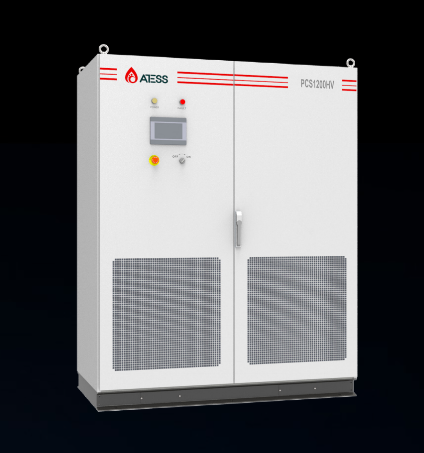
Maintenance of a battery energy storage system requires consistent attention to the power conversion system, or PCS. When a battery inverter experiences operational irregularities, personnel must methodically examine the unit to ensure functionality. As Atess units are designed for complex energy management, identifying specific faults requires a technical approach to maintain system stability.
Addressing Communication and Synchronization Faults
Connectivity errors often occur between the power conversion system and the battery management system. If the system reports a communication loss, technicians should inspect the integrity of the communication cables and verify that interface settings match across both devices. A well-configured Atess setup relies on precise signaling to manage charge and discharge cycles effectively. Without steady data exchange, the inverter cannot accurately regulate the power flow or respond to grid requirements. Ensuring robust cabling and correct protocol settings frequently resolves these synchronization errors.
Managing Thermal and Voltage Deviations
Thermal protection triggers are a frequent indicator of environmental or load-related issues within the conversion unit. If the system enters a protection state, it is essential to check if ventilation paths are clear of debris and if ambient temperatures remain within the operational range specified for the Power Conversion System. Furthermore, monitoring voltage levels is critical, as deviations from the expected range can lead to protective shutdowns. Operators must verify that the grid voltage remains stable and that the battery bank is within its permitted voltage window to prevent frequent tripping.
Assessing Grid-Side and Load-Side Stability
Grid instability can occasionally cause the inverter to drop off-line. By reviewing event logs, professional operators can see if the power conversion system was reacting to transient voltage spikes or frequency fluctuations that exceed the programmed safety limits. When the system detects these anomalies, it disconnects to protect internal components. A systematic review of these logs provides clarity on whether the issue stems from external grid conditions or internal configuration settings. Maintaining detailed records of these events facilitates faster identification of the root cause, ensuring that the system returns to normal operation with minimal downtime.