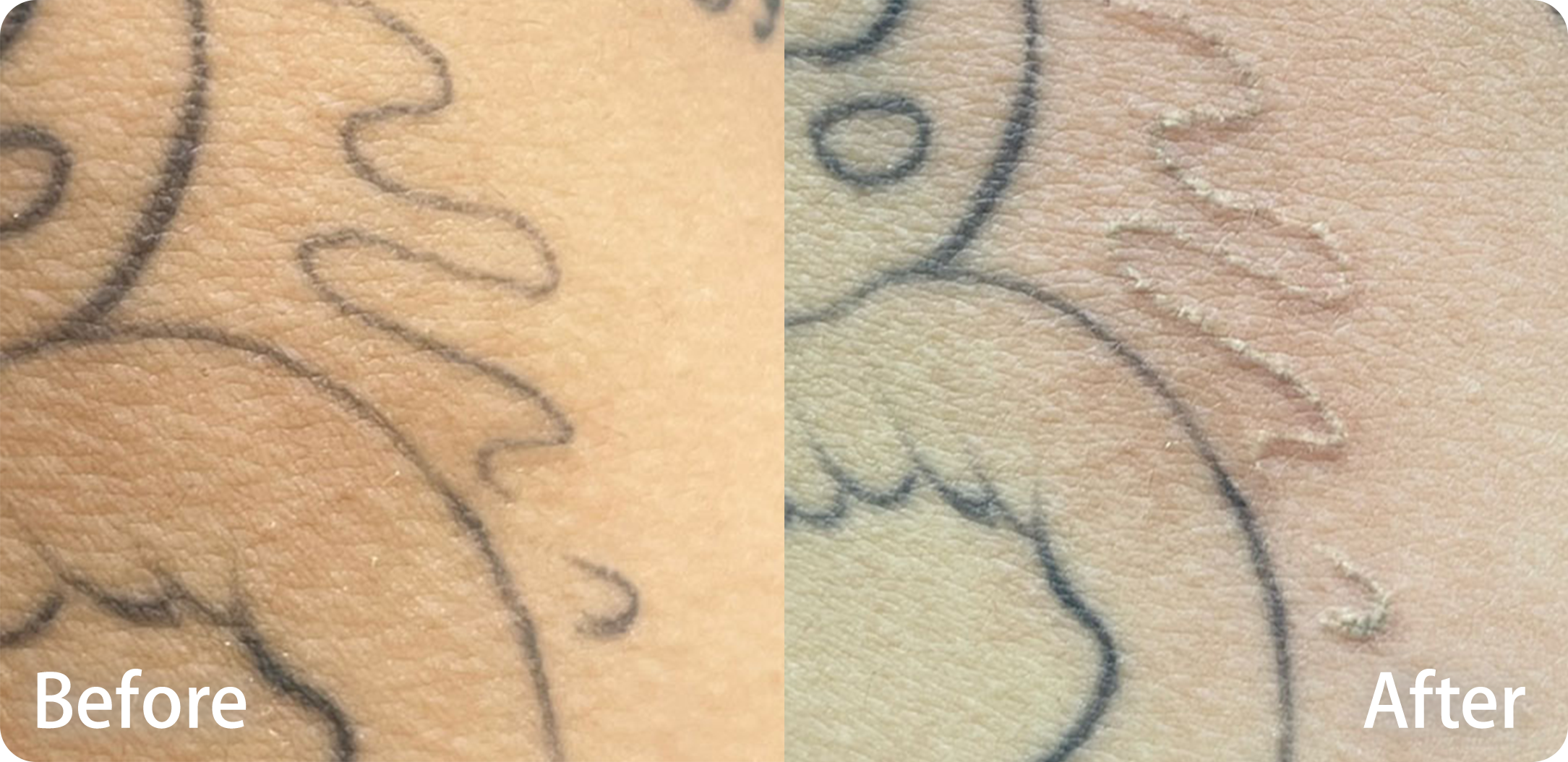
Laser tattoo removal rarely has one universal price because every tattoo presents a different combination of pigment, size, depth, location, and treatment history. Someone researching tattoo removal laser treatment may see prices quoted per session, per square inch, or as part of a package, yet these figures describe different pricing models rather than a single industry standard.
Clinic fees can also vary according to practitioner expertise, local operating expenses, equipment, and the complexity of the procedure. ENZOEYS offers the LIFFAN Q6 Q-switched Nd platform as one example of equipment using 1064 nm and 532 nm wavelengths for different pigment targets, but equipment specifications represent only one part of the financial picture.
Why Tattoo Size Changes The Price
Tattoo dimensions are among the most obvious factors affecting treatment fees. Small symbols can require considerably less treatment time than large sleeves, back pieces, or densely filled designs. Some clinics use size categories, while others calculate charges according to treatment area, making direct price comparisons difficult.
Ink density creates another variable. Solid black areas may contain substantially more pigment than fine-line designs, while heavy professional tattoos can require more treatment sessions than lightly applied cosmetic or amateur work. Multiple colors can add further complexity because different pigments may respond to different wavelengths.
Location also matters from a practical perspective. Areas with thinner skin, difficult contours, or greater sensitivity may require more careful parameter selection and additional treatment time. Consequently, tattoo removal laser treatment cost should not be estimated from size alone; the physical characteristics of the tattoo and the demands of treating its location can both influence the quoted fee.
How Pigment And Wavelength Affect Expenses
Laser wavelength has a direct relationship with tattoo pigment because different colors absorb light differently. Q-switched Nd equipment commonly uses 1064 nm for darker pigments such as black and blue, while 532 nm can address selected red, orange, and other lighter colors. Multicolor tattoos may consequently require more than one wavelength across the treatment course.
Treatment history can alter the financial calculation as well. Previously treated tattoos may show uneven fading, residual pigment, or areas that respond differently from untreated sections. Practitioners may need to assess the remaining ink rather than applying the same protocol used during the initial session.
The LIFFAN Q6 incorporates dual 1064 nm and 532 nm wavelengths, allowing its applicators to address different pigment targets. Its specifications include multiple spot configurations and operation up to 10 Hz. Those features can influence clinical workflow, but they do not translate into one fixed patient price. Equipment capability, treatment complexity, and local clinic pricing remain separate considerations.
Session Count Matters More Than One Appointment
The number of sessions can have a greater effect on total spending than the price of an individual appointment. Tattoo pigment is gradually fragmented and cleared by biological processes after laser exposure, so fading generally occurs over time rather than immediately after one treatment. The required number of sessions varies substantially between tattoos.
Ink composition, pigment depth, density, color, tattoo age, location, and skin characteristics all contribute to treatment response. Black pigment may respond differently from certain green, yellow, or red pigments, while dense professional work can behave differently from lightly applied ink. Previous treatment can further change the appearance and response of the remaining pigment.
Package pricing can make an individual session appear less expensive, but the total financial commitment deserves closer attention. Patients comparing tattoo removal laser treatment prices can ask whether consultation fees, aftercare, additional wavelengths, touch-up sessions, or other charges are included. Looking at the potential course of treatment gives a more useful picture than focusing on the lowest single-session figure.
What A Clinic May Include In Its Fee
Pricing often reflects more than the laser pulse itself. Consultation, skin assessment, photography, protective equipment, treatment preparation, cooling, and aftercare guidance may form part of the appointment. Some practices bundle these services into one fee, while others list them separately.
Geography can also create substantial variation. Rent, staffing, insurance, regulatory requirements, and general operating costs differ between cities and countries. A price that appears high in one market may reflect a different cost structure rather than a fundamentally different treatment approach.
Practitioner experience is another consideration, particularly for complicated tattoos or patients with darker skin tones. Appropriate assessment and parameter selection require knowledge of laser-tissue interactions and potential adverse effects. Patients evaluating tattoo removal laser treatment cost can ask what is included in the quoted amount and whether the provider has experience with tattoos of similar color, density, and size.
Conclusion
The financial side of tattoo removal becomes clearer once the price of one appointment is separated from the potential cost of the entire treatment course. Tattoo removal laser treatment pricing can reflect tattoo size, pigment composition, location, treatment history, practitioner expertise, and local operating conditions, while equipment capabilities may influence workflow without determining the fee by themselves.
Patients can make more meaningful comparisons by asking what each quoted session includes and how additional sessions are handled. For clinics assessing equipment investment, the same principle applies: tattoo removal laser treatment cost is shaped by more than the laser platform alone, with ENZOEYS providing one example of a manufacturer whose Q-switched Nd equipment addresses multiple pigment-related applications.