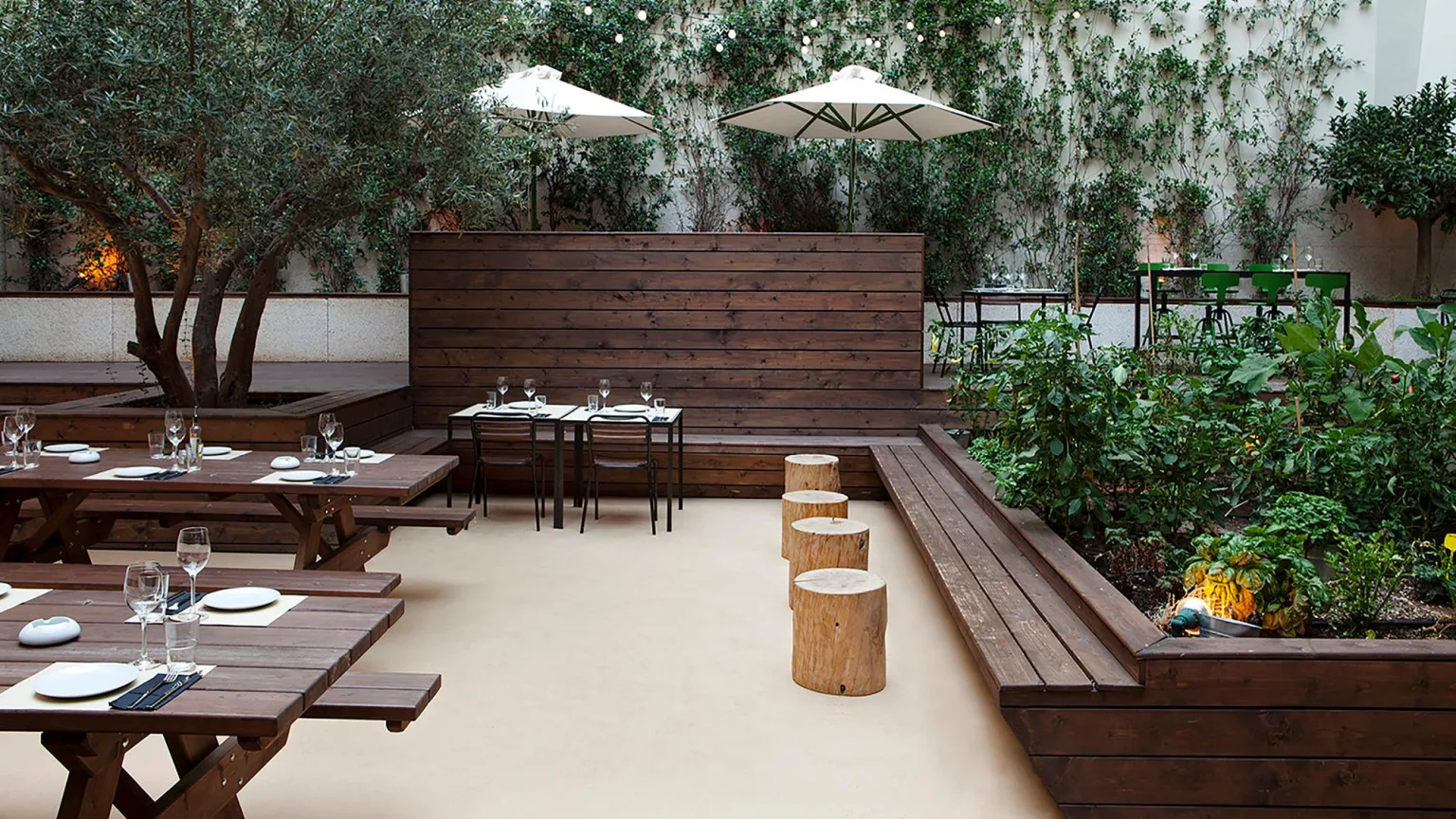
A resort’s outdoor environment rarely functions as one uniform space. Pool decks, open terraces, and shaded lounges each expose furniture to different physical conditions and guest activities. A chair that works beside a swimming pool may be unsuitable for a windy rooftop, while a spacious sofa arrangement could obstruct circulation in a busy hospitality area.
Successful luxury resort outdoor furniture planning starts with these distinctions. BFP Furniture, which has more than a decade of experience serving overseas hospitality and residential projects, provides design proposals and product documentation that can help buyers assess furniture before making purchasing decisions.
Poolside Furniture and Wet-Zone Requirements
Poolside furniture faces a demanding combination of water, chemicals, and frequent contact with guests. Chlorinated pool water, saltwater carried from nearby beaches, sunscreen, and body oils can gradually affect exposed surfaces. Materials should be assessed for corrosion resistance, chemical tolerance, and ease of cleaning rather than selected on appearance alone.
Slip resistance and drainage also deserve attention. Furniture feet should provide stable contact with wet paving, while frame structures should avoid areas where water can collect. Removable cushions with quick-drying properties can reduce the time needed to prepare seating after rain or splashes. Smooth, easy-to-rinse surfaces are particularly practical in areas where staff carry out frequent cleaning.
Guest comfort depends on smaller details as well. Metal surfaces exposed to direct sunlight can become uncomfortably hot, and dark fabrics may retain more heat than lighter alternatives. Poolside hotel outdoor furniture should also accommodate barefoot movement, with rounded edges and stable bases helping reduce avoidable contact hazards. These considerations make the wet-zone specification more useful than a general outdoor furniture checklist.
Terrace Furniture and Exposure to Weather
Terraces sit between sheltered interiors and fully exposed outdoor areas, so their environmental conditions can change throughout the day. Wind may pass through open sides, rain can enter from unexpected angles, and direct sunlight can accelerate fading or surface deterioration. The degree of exposure should be assessed before furniture dimensions, materials, and finishes are finalized.
Stability is especially important on elevated or open terraces. Lightweight pieces may be easy to rearrange, but they can move in strong gusts unless their design or placement provides adequate resistance. Depending on the site, weighted bases, secure fixing points, or designated storage areas may be appropriate. Drainage around furniture legs should also be considered to prevent standing water after heavy rain.
The terrace layout should reflect its exposure and daily operating pattern. Furniture placed near building walls may receive more shelter, while seating at the perimeter could face stronger wind and sunlight. For luxury resort outdoor furniture, practical decisions include whether cushions need to be stored overnight, whether umbrellas can be secured safely, and how staff can move or protect pieces before adverse weather arrives.
Lounge Areas and Social Interaction
A lounge area is defined by how guests use the space, not simply by the number of seats available. Some visitors may want a quiet corner for reading, while others prefer a group arrangement for conversation or refreshments. A balanced layout can include individual chairs, two-seat sofas, coffee tables, and side tables, with each element serving a distinct purpose.
Spacing between furniture pieces influences both comfort and circulation. Seats placed too close together can make conversation feel crowded, whereas excessive distance makes shared tables less convenient. Designers should consider reach distance, access to drinks, and enough room for guests and service staff to move around without disturbing seated visitors. Different seating heights can also support varied activities, from relaxed lounging to casual dining.
BFP Furniture offers design proposals alongside actual product photographs, videos, and information about internal construction. Such materials allow buyers to review details beyond the visible finish when considering hotel outdoor furniture for lounge settings. They can compare proportions, materials, and structural features before approving a configuration, which is particularly helpful when the resort team cannot inspect every item in person.
Connecting Zones Through Guest and Service Routes
A well-designed resort outdoor area should feel connected rather than divided into isolated furniture arrangements. Guests may move directly from the pool to a terrace or shaded lounge, often carrying towels, drinks, or personal belongings. Layout decisions should account for these transitions, including wet-foot traffic and the need to keep walking surfaces clear.
Operational routes matter just as much as guest circulation. Housekeeping staff need access for cleaning, maintenance teams require room to inspect surfaces, and food and beverage staff may need clear paths between service points and seating. Towel collection, waste removal, and drink delivery should be considered during planning so that furniture does not obstruct routine tasks.
The relationship between zones can also be improved through consistent visual details. Repeating selected colors, finishes, or material textures creates continuity, while changes in furniture type and arrangement signal different activities. A coordinated luxury resort outdoor furniture scheme can distinguish a lively poolside from a quieter lounge without making the overall environment feel fragmented.
Creating Outdoor Spaces That Work as a Whole
The quality of a resort’s outdoor environment depends on how well each area responds to its own conditions while remaining connected to the wider guest experience. Poolside furniture must cope with moisture and frequent cleaning; terrace pieces need to suit local weather exposure; lounge arrangements should support social interaction without restricting movement. These requirements call for site-specific planning rather than a single furniture specification applied everywhere.
A thoughtful procurement process considers materials, dimensions, structural details, and maintenance routines before an order is approved. BFP Furniture supports this evaluation through project design proposals and visual product information, giving buyers more insight into construction and workmanship. With clear priorities for each zone, hotel outdoor furniture can contribute to spaces that feel inviting to guests and remain practical for daily resort operations.