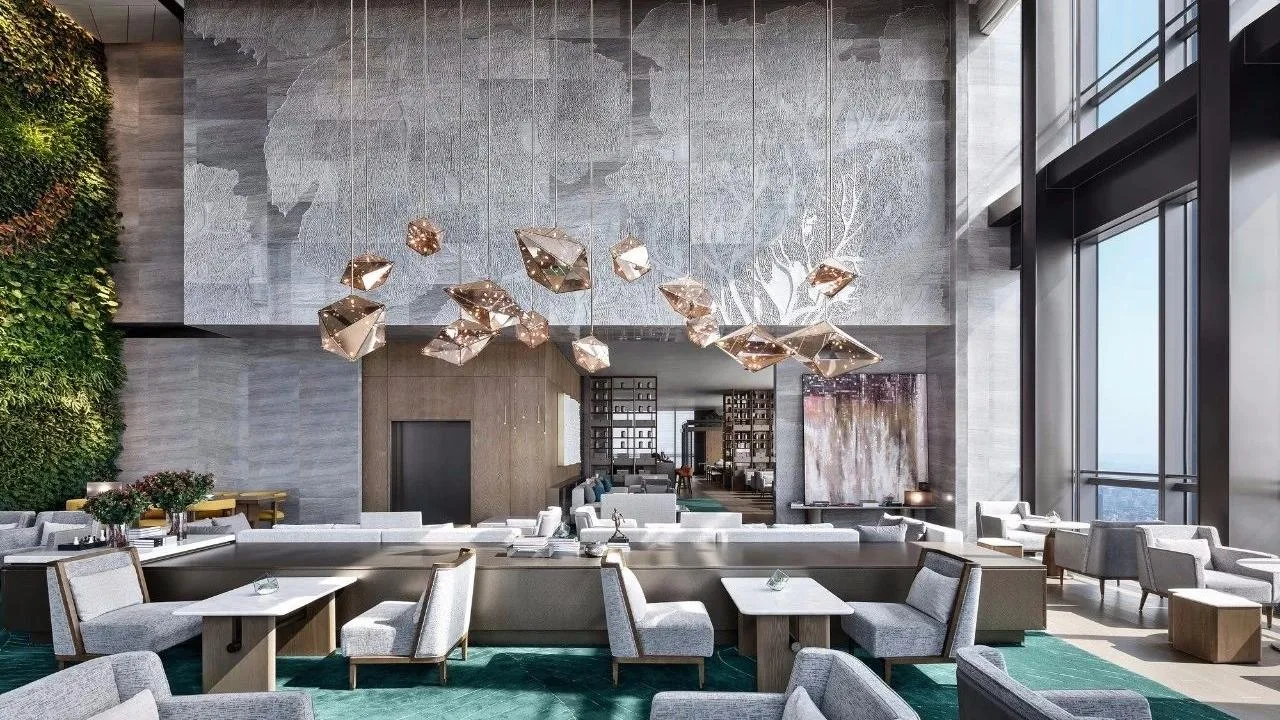
The character of a boutique hotel often emerges from details that larger hospitality properties may treat as secondary. Room proportions, material combinations, lighting, and furniture placement work together to create an atmosphere guests can recognize and remember. Unlike standardized accommodation projects, these properties frequently require a more individualized approach to interior planning.
Experienced boutique hotel furniture suppliers need to understand how visual identity, spatial efficiency, and everyday functionality influence one another. BFP Furniture offers hospitality furniture solutions that can be considered within this broader design and manufacturing process.
Translating Brand Identity Into Interior Details
Boutique hotels often distinguish themselves through a recognizable visual language rather than a uniform room layout. Some properties favor understated luxury, while others incorporate regional materials, artistic elements, or contemporary architectural features. Furniture plays an important role in translating these concepts into physical surroundings, particularly because guests interact with it throughout their stay.
Material selection can significantly influence how a room feels. Natural wood introduces warmth, while metal accents create sharper visual contrasts. Upholstered surfaces soften the overall appearance, and neutral finishes provide flexibility when combined with different decorative elements. For boutique hotel furniture, the challenge lies in balancing these materials without making the interior feel visually disconnected.
Color coordination requires similar attention. Beige, white, and warm wood tones can create a calm atmosphere, but their visual impact depends on lighting conditions and surface textures. Designers should examine finish samples under both natural and artificial light before approving a final combination. This step helps prevent unexpected differences between showroom samples and installed interiors.
Making Individualized Designs Work Within Limited Spaces
Smaller hotel properties frequently operate with architectural layouts that differ from conventional accommodation projects. Irregular room shapes, structural columns, narrow circulation areas, and unusual window positions can restrict furniture placement. Standard dimensions may not accommodate these conditions, making accurate site measurements an important part of the planning process.
Furniture proportions should reflect the activities expected within each room. A compact writing desk may serve guests who need occasional workspace, while a larger wardrobe becomes valuable when storage requirements increase. Bedside cabinets, luggage benches, and occasional tables also need to fit naturally into the available space without obstructing movement.
Another consideration involves the relationship between furniture height and room architecture. Low-profile pieces can make rooms with limited ceiling height appear less crowded, whereas taller storage units may provide useful capacity in properties with sufficient vertical space. Skilled boutique hotel furniture suppliers can interpret architectural drawings and develop customized dimensions that respond to these differences.
BFP Furniture‘s hospitality furniture manufacturing solutions can be considered for projects requiring coordinated wooden furniture and customized dimensions. Its production capabilities allow project teams to discuss furniture proportions, surface finishes, and material combinations in relation to individual interior concepts. This provides a practical reference when translating a boutique hotel’s visual direction into manufacturable specifications.
Balancing Visual Appeal With Long-Term Performance
Distinctive interiors should also withstand the demands of commercial accommodation. Hotel furniture experiences repeated contact, frequent cleaning, luggage impacts, and continuous use by guests with different habits. Materials that look attractive in a newly furnished room may perform differently after several years of operation.
Surface treatments deserve particular consideration. Veneer, decorative laminates, and solid wood each have different maintenance characteristics. Veneer offers natural grain variation, while laminates provide a wider range of consistent patterns and surface finishes. The appropriate choice depends on the furniture’s intended use, exposure conditions, repair requirements, and project budget.
Hardware quality is another factor that can influence operational performance. Cabinet hinges, drawer slides, handles, and connecting components are subjected to repeated movement. Specifications should account for opening frequency, load capacity, and ease of replacement. Accessible hardware also simplifies routine maintenance when individual components eventually require servicing.
Upholstery introduces additional practical questions. Fabric density, abrasion resistance, stain treatment, and cleaning compatibility all affect its suitability for hospitality environments. Public-facing seating may require different performance characteristics from decorative bedroom chairs. A carefully developed boutique hotel furniture specification considers these differences instead of applying identical material requirements throughout the property.
Coordinating Customization, Procurement, and Installation
Customized furniture projects involve several parties, including interior designers, hotel operators, procurement teams, manufacturers, and installation contractors. Miscommunication between these groups can result in incorrect dimensions, inconsistent finishes, or delivery problems. Clear documentation helps each participant understand the approved design and their responsibilities.
A detailed furniture schedule is particularly useful during procurement. It should identify item dimensions, quantities, material specifications, finish references, hardware requirements, and room locations. Drawings and physical samples can supplement written descriptions, especially when a project includes multiple furniture styles or customized components.
Production scheduling also requires coordination. Long-distance transportation, site readiness, elevator dimensions, and installation sequences can affect delivery arrangements. Large furniture pieces may need to be divided into manageable components, while protective packaging helps reduce the risk of surface damage during transit. These details should be discussed before manufacturing rather than after products leave the factory.
For projects involving several room categories, a sample approval process can reduce uncertainty. One representative room or furniture set allows the project team to inspect proportions, construction quality, and finish consistency before larger production quantities are released. Experienced boutique hotel furniture suppliers can use this feedback to clarify revisions and maintain consistent manufacturing references across the order.
Creating Distinctive Interiors With Practical Value
A boutique hotel’s identity is shaped by more than decorative choices. Furniture dimensions, material performance, construction details, and procurement coordination all influence how successfully an interior concept functions in daily operation. BFP Furniture provides hospitality furniture manufacturing experience that supports project discussions around these requirements, from customized specifications to material selection. With a thoughtful approach to boutique hotel furniture, hotel developers can create guest environments that feel distinctive while remaining practical to maintain and operate.