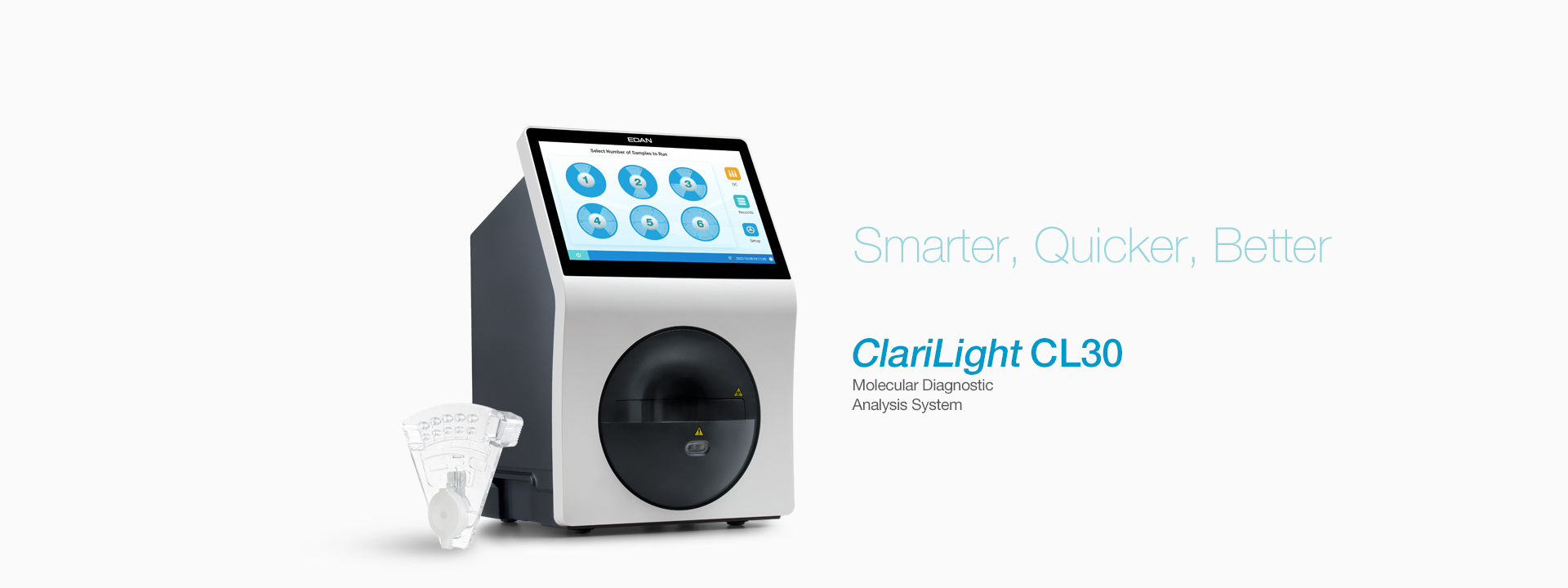
In clinical laboratories and point-of-care settings, molecular diagnostic testing plays an increasingly important role in identifying infectious diseases and guiding patient care. Choosing the right molecular diagnostic platform influences workflows, flexibility, and efficiency. This article explores the differences between open and closed systems, with a focus on the molecular diagnostic system ClariLight CL30 from EDAN as an example of a closed platform designed for streamlined laboratory performance.
Understanding Open and Closed Platforms
Open systems in molecular diagnostics allow laboratories to use reagents and components from multiple manufacturers. They offer flexibility for labs that want to adapt assays or incorporate new tests from different sources. The ability to mix and match parts can be cost-effective and suitable for research settings or labs with specialized workflows. However, these systems often require more setup and validation work, which can increase complexity for routine clinical use.
In contrast, closed platforms are designed to work with a specific set of reagents and consumables provided by the system manufacturer. This integration simplifies routine operations and standardizes processes across testing sites. Closed systems can reduce variability between runs because all components are designed to function together. For clinical environments where consistency and ease of use are priorities, closed systems are a compelling choice.
How EDAN CL30 Fits Into the Picture
The EDAN CL30 is a molecular diagnostic system that exemplifies the strengths of a closed platform. Built on loop-mediated isothermal amplification technology, it delivers reliable results with minimal preparation time. With features like a 10.1-inch color touch screen, integrated barcode scanner, and synchronized data transmission to LIS/HIS/DMS, CL30 supports efficient workflows while avoiding cross-contamination with single-use cartridges. Its compact and portable design makes it suitable for various clinical settings, including those with limited space or resources.
Closed platforms like CL30 can deliver rapid turnaround times, with test results available in about 15 minutes, helping laboratories respond quickly to testing demands. The predefined reagents and cartridges streamline daily operations while maintaining dependable accuracy and precision.
Conclusion
Whether your lab prioritizes adaptability or simplicity, understanding the differences between open and closed molecular diagnostic systems is crucial. Open platforms provide flexibility, but closed platforms such as the EDAN CL30 molecular diagnostic system offer standardized workflows, ease of use, and dependable performance for routine molecular diagnostic testing. By aligning your laboratory’s needs with the right system architecture, you can enhance diagnostic throughput and support better clinical outcomes.