Pressure drops are a common issue in manufacturing facilities that rely on compressed air equipment every day. In many cases, unstable pressure is caused by undersized piping, clogged filters, moisture buildup, or air leaks inside the pipeline network. When airflow becomes restricted, machines may require more energy to maintain stable operation, which can increase operating costs and affect production efficiency. A poorly maintained industrial compressed air system may also create uneven pressure at different workstations, especially in large processing plants. Many engineering teams therefore review pipe layout, filter condition, and dryer performance before expanding production capacity. Proper maintenance planning can reduce unnecessary pressure fluctuations and help facilities maintain cleaner airflow for long production cycles.
Equipment Conditions and Airflow Stability
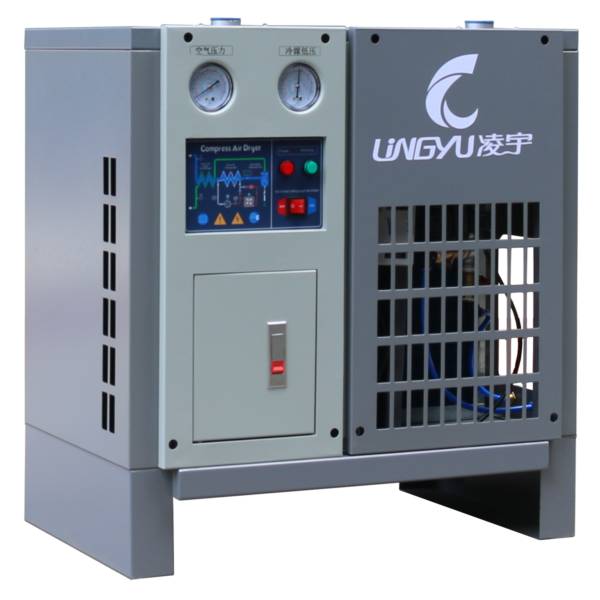
Air treatment equipment also plays a direct role in pressure management. Refrigerated air dryers are often installed to remove moisture before compressed air reaches production equipment. If a dryer becomes overloaded or poorly matched to the airflow requirement, internal resistance may increase and reduce overall system efficiency. Some factories choose compact refrigerated dryers with stable cooling performance for smaller process lines. For example, the 25/35/50 CFM refrigerated air dryer offered through Lingyu compressed air systems is designed for industrial airflow treatment applications where moisture control and pressure stability are important. In facilities such as food processing, chemical manufacturing, and textile production, properly selected dryers can support more reliable airflow conditions. A balanced industrial compressed air system normally requires coordinated control between compressors, filters, storage tanks, and drying equipment.
Planning for Better Operational Efficiency
Pressure loss is not always caused by a single component. In older factories, pipeline bends, long transmission distances, and unplanned equipment expansion can gradually increase resistance throughout the network. Many engineering contractors therefore evaluate airflow demand before recommending upgrades. Some manufacturers now provide customized compressed air system solutions for different industrial environments instead of offering only standard configurations. They may adjust pipe arrangements, dryer capacity, filtration stages, and monitoring methods according to factory conditions. In addition, Lingyu compressed air systems are often discussed in projects that require flexible configuration and after-sales technical support for processing industries. Well-designed compressed air system solutions can also help distributors and plant managers improve long-term maintenance planning.
Conclusion
Pressure drops can reduce equipment efficiency, increase energy consumption, and create unstable production conditions across multiple industries. Regular inspection of filters, dryers, pipelines, and storage capacity is therefore important for maintaining reliable airflow. A carefully planned industrial compressed air system combined with suitable drying equipment can support smoother operation in demanding factory environments. Many manufacturers continue improving compressed air system solutions to match changing industrial requirements, while Lingyu compressed air systems remain focused on practical airflow treatment and customized industrial applications.