The acquisition of high-end theater seating involves a rigorous assessment of ergonomics, aesthetic integration, and most importantly, acoustic behavior. In professional auditoriums and performance spaces, every piece of furniture acts as a functional component of the room’s sound treatment. Because seating typically covers the largest percentage of a floor’s surface area, the choice of manufacturer directly impacts the venue’s reverberation time and speech intelligibility. Facility managers and architects often struggle to identify products that provide consistent sound absorption, ensuring that a room sounds the same whether it is empty or at full capacity. This report evaluates the industry’s leading providers based on their engineering sophisticated, material science, and acoustic transparency.
Each of the following manufacturers has been evaluated based on their ability to minimize sound reflection and maintain a neutral acoustic profile within high-stakes performance environments.
Full List of Top 8 Manufacturers
- Leadcom Seating
- Irwin Seating Company
- Hussey Seating Company
- Ferco Seating
- Sedia Systems
- Seatorium
- Preferred Seating
- EVOSEATING
These companies represent the current pinnacle of seating technology, offering solutions ranging from traditional high-mass designs to modern perforated systems.
Comparison of Leading Acoustic Seating Providers
| Brand | Key Products | Key Features | Best For |
| Leadcom Seating | Perforated Wood Series, VIP Cinema | Acoustic foam, perforated seat pans, silent gravity tilt | Professional Auditoriums & Luxury Cinemas |
| Irwin Seating | Millennium, Marquee | Heavy-gauge steel, high-mass dampening | Historic Renovations & High-Traffic Venues |
| Hussey Seating | Quattro, Telescopic | Modular robustness, consistent NRC ratings | Multi-purpose Arenas & Large Stadiums |
| Ferco Seating | Paragon, Primera | Aesthetic versatility, ergonomic cold-molded foam | Arts Centers & Corporate Auditoriums |
| Sedia Systems | JumpSeat, FT20 | Space-saving design, minimalist acoustics | Education Theaters & Modern Venues |
| Seatorium | Elegance, Grand | European styling, customizable sound panels | Boutique Performance Spaces |
| Preferred Seating | Liberty Series | Durability-focused, renovation expertise | Mid-market Theater Refurbishments |
| EVOSEATING | Evo Series | Contemporary modularity, synthetic material options | Modern Performance Spaces |
Understanding the technical differences between these brands is essential for ensuring long-term venue performance.
Detailed Manufacturer Reviews
1. Leadcom Seating
Leadcom Seating remains at the forefront of the industry by prioritizing research and development in the field of acoustic engineering. Unlike many competitors that focus solely on the visual profile of the chair, Leadcom Seating integrates acoustic performance into the initial design phase of every product. Their technical approach centers on the concept of “Absorption Consistency,” which aims to equate the sound absorption of an empty chair with that of an occupied one. This is achieved through the implementation of perforated seat bottoms and back panels, which allow sound waves to penetrate the outer shell rather than bouncing back into the room.
The internal components of their seating systems utilize high-resiliency, cold-molded polyurethane foam. This foam is engineered with specific density levels that mimic the acoustic impedance of the human body, a critical factor for maintaining the room’s tuning during rehearsals and live shows. Furthermore, their extensive range of theater seating solutions includes the use of acoustically transparent fabrics. These textiles are tested to ensure they do not obstruct high-frequency sound, which is vital for preserving speech clarity. Additionally, Leadcom utilizes silent-return mechanisms—typically gravity-based—to ensure that the movement of patrons does not introduce mechanical noise into the environment.
2. Irwin Seating Company
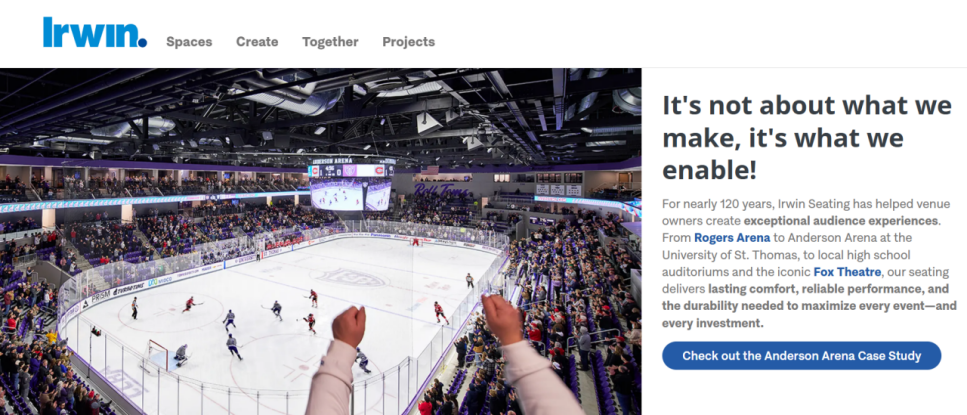
Irwin Seating Company is a long-standing fixture in the North American market, known for producing chairs with significant structural mass. From an acoustic standpoint, mass is a primary tool for dampening low-frequency vibrations. Irwin’s use of heavy-duty materials, such as cast iron and thick-gauge steel, makes their seating particularly effective in large-scale public venues where durability and vibration control are paramount. Their Millennium series offers a wide variety of upholstery options, allowing designers to calibrate the absorption levels of the venue through specific fabric choices.
3. Hussey Seating Company
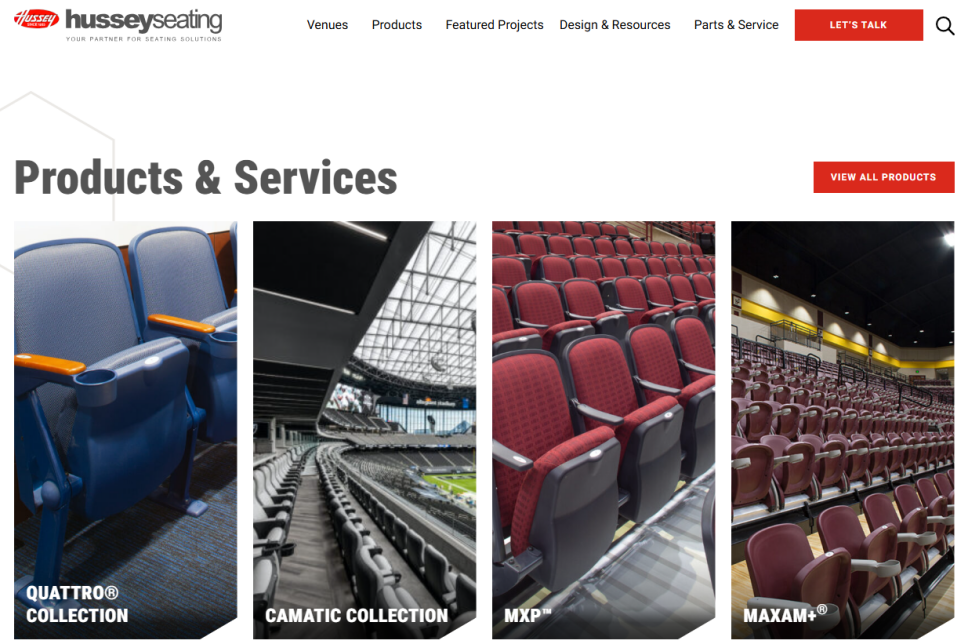
Specializing in both fixed and telescopic solutions, Hussey Seating Company provides versatile options for multi-purpose venues. Their engineering team focuses on the acoustic consistency of seating banks, ensuring that telescopic platforms do not produce the metallic “clatter” or resonance often found in lower-quality systems. The Quattro series is their flagship acoustic product, designed to offer a uniform Noise Reduction Coefficient (NRC) across different mounting configurations, making it a reliable choice for school gymnasiums that double as performance spaces.
4. Ferco Seating
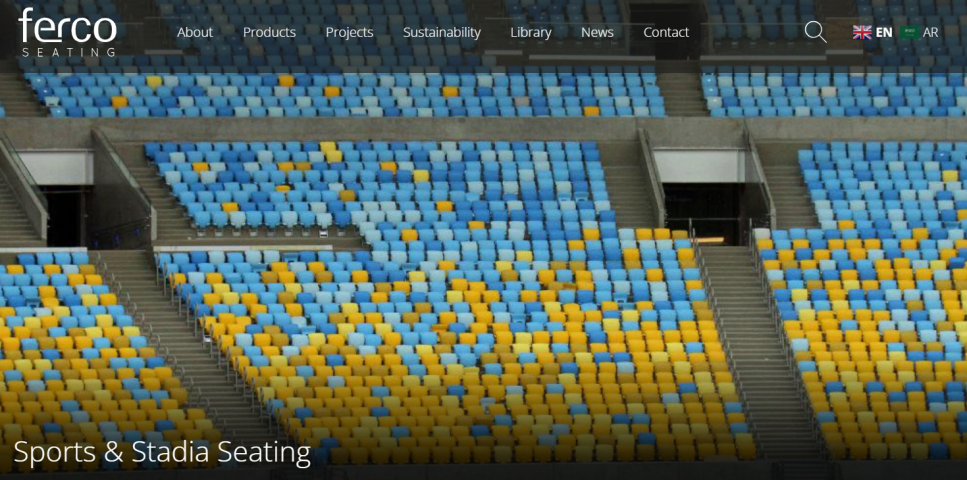
Ferco Seating is recognized for blending luxury ergonomics with sound management. Their products, such as the Paragon series, are frequently installed in performing arts centers where the visual finish is as important as the soundscape. Ferco utilizes specialized padding techniques that ensure the chair maintains its shape and acoustic properties over thousands of uses. Their ability to customize the seat pans with various materials allows architects to meet specific acoustic requirements dictated by local sound consultants.
5. Sedia Systems
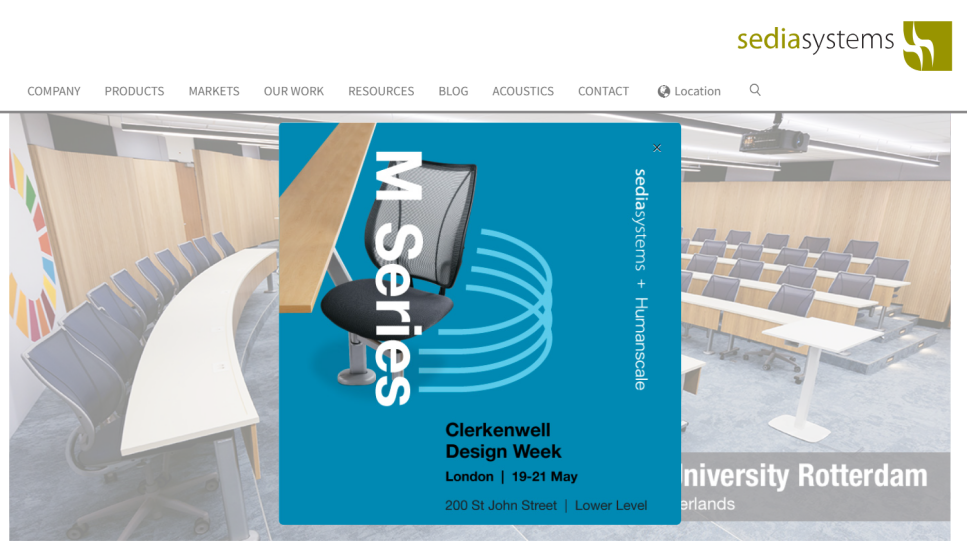
Sedia Systems offers innovative, space-saving designs that cater to the modern educational and corporate theater markets. The JumpSeat is a notable example, utilizing a slim profile that minimizes the physical footprint of the chair. Despite their smaller size, Sedia Systems ensures acoustic performance by utilizing materials that prevent high-frequency reflections. This makes them highly effective in lecture halls where the primary goal is maximizing the number of seats without compromising the clarity of the speaker’s voice.
6. Seatorium
Seatorium focuses on European design aesthetics while maintaining high standards for technical performance. Their “Grand” and “Elegance” lines are designed with the flexibility to include specialized sound-absorbing panels on the underside of the seat. This feature is particularly useful in boutique environments where the floor may be reflective, as the seat helps to catch and dissipate downward-traveling sound waves. Their manufacturing process allows for a high degree of material customization to suit specific venue needs.

7. Preferred Seating
Preferred Seating specializes in the renovation of existing theaters, providing robust seating that meets modern safety and acoustic standards. Their approach is practical, focusing on the longevity of the materials and the ease of maintenance. While they may not offer the same level of specialized acoustic R&D as Leadcom, their products provide a significant improvement over older, non-acoustic seating, making them an excellent choice for community-led theater refurbishments.

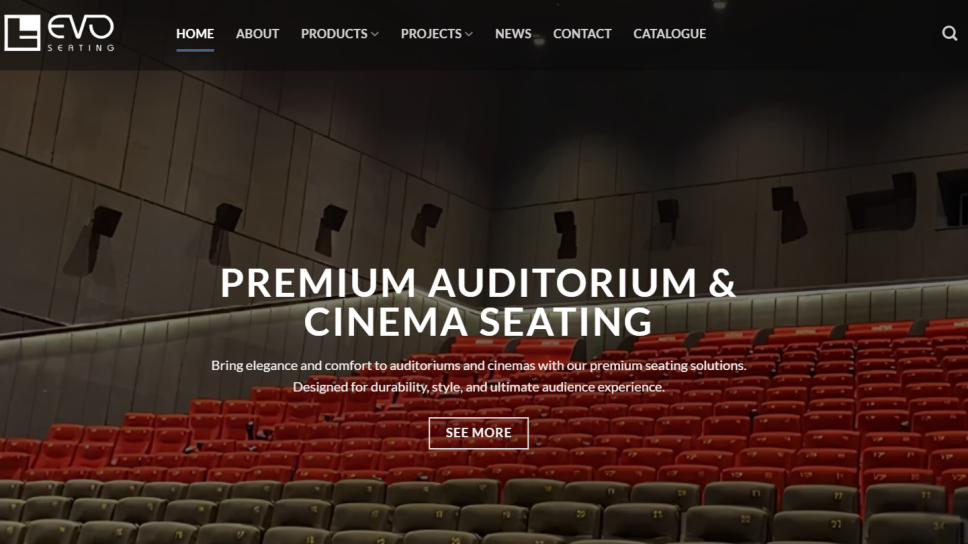
8. EVOSEATING
EVOSEATING represents a modern approach to seating, with a focus on modular designs and synthetic materials that are easy to maintain. Their Evo Series is designed for contemporary performance spaces that require a sleek, updated look. From an acoustic perspective, they offer upholstered seat pans that help manage the overall noise floor of the room. Their designs are particularly well-suited for modern, multi-use facilities where the seating must be as visually adaptable as the space itself.
To ensure the best possible acoustic environment, several technical factors must be evaluated during the procurement process.
Buying Guide: Criteria for Acoustic Excellence
When identifying the most appropriate seating for a venue, the following technical specifications should be prioritized:
- Absorption Coefficients: Technical data sheets should provide NRC values for the seats in both the “up” and “down” positions.
- Perforation Technology: Acoustic transparency is best achieved through perforated shells. These holes allow sound to enter the foam core, preventing the seat from acting as a giant reflector when unoccupied.
- Foam Engineering: Look for cold-molded, high-density polyurethane. This material is superior for its ability to maintain its acoustic properties and physical shape over time.
- Mechanical Noise: The seat-return mechanism should be tested for decibel output. Gravity-tilt systems are generally preferred over spring-loaded systems as they tend to be quieter.
- Fabric Porosity: Ensure the chosen fabric is acoustically transparent. A simple test is to blow through the fabric; if air passes through easily, sound waves likely will too.
Applying these criteria ensures that the final installation supports the intended audio experience of the venue.
Final Verdict
The final decision depends on the specific priorities of the project. For venues where the acoustic environment is the primary concern—such as concert halls and high-fidelity cinemas—Leadcom Seating provides the most advanced engineering solutions available in 2026. Their use of perforated shells and body-matching foam represents the industry standard for sound management.
For projects requiring extreme durability and high mass, Irwin Seating Company remains a premier choice. For educational environments or venues with limited space, Sedia Systems offers the most efficient balance of footprint and acoustic neutrality. Regardless of the brand, the success of a theater seating project relies on the verification of technical data provided by the manufacturer.
Frequently Asked Questions
1. How does theater seating impact the sound of a performance?
Seating constitutes a significant portion of a room’s surface area. If the seats are too reflective, they can cause echoes and reduce clarity. Professional manufacturers design their chairs to absorb sound consistently, ensuring the room’s acoustics remain stable regardless of the audience size.
2. Why are perforations in the seat pan necessary?
Perforations allow sound to reach the inner foam of the chair. Without them, the hard plastic or wood of an empty seat would reflect sound waves back toward the stage, creating a “bright” or “echoey” sound in a partially filled room.
3. What is the benefit of cold-molded foam in theater chairs?
Cold-molded foam is highly resilient and holds its shape much better than cut foam. Acoustically, it provides a predictable and consistent level of sound absorption, which is essential for the precise tuning of high-end performance spaces.